
Hagi, Japan: A Castle Town's History
Hagi is a small Yamaguchi castle town where the leaders of Japan's Meiji Restoration trained. See its five UNESCO sites and plan your visit.


Introduction
Hagi is a small castle town on the Sea of Japan coast in Yamaguchi Prefecture, about 800 km (500 miles) west of Tokyo. For more than 250 years it was the capital of the Choshu clan, and in the 1800s it became the training ground for the samurai and scholars who ended shogunate rule and built modern Japan. Five sites in Hagi belong to the UNESCO Sites of Japan's Meiji Industrial Revolution listing, and many of the town's centuries-old streets, samurai homes, and citrus trees remain today.
This is the first entry in a new Peatix Stories series on Japan's smaller towns, the places with real history and local craft that most itineraries skip on the way between Tokyo, Osaka, and Kyoto. Hagi is a fitting place to start it.
How to Get There
The airports nearest to Hagi are Yamaguchi Ube Airport and Hagi-Iwami Airport. The nearest Shinkansen station is JR Shin-Yamaguchi Station. From wherever you land, you can reach Hagi via taxi, bus, or JR train.
Check out the Hagi Tourism Association website for more detailed information.
History and its Influence
How did Hagi, a small town located so far from Tokyo, change modern Japan’s future?
In 1604, warlord Mori Terumoto was forced to relocate from Hiroshima to Hagi after his defeat at the Battle of Sekigahara. With two-thirds of his territory confiscated, he had no choice but to lead the Choshu clan from this remote delta land. The Mori family, however, held onto Hagi and ruled the Choshu domain from Hagi Castle for more than 250 years while the city grew and flourished.
Visitors can still see the evidence of the city’s prosperity during this era by taking a walk through the Hagi Castle Town, one of five component sites in the UNESCO Sites of Japan's Meiji Industrial Revolution listing. The castle town still retains the grid layout set during the Edo period (1603–1867), with white-walled samurai residences and merchant streets largely unchanged.
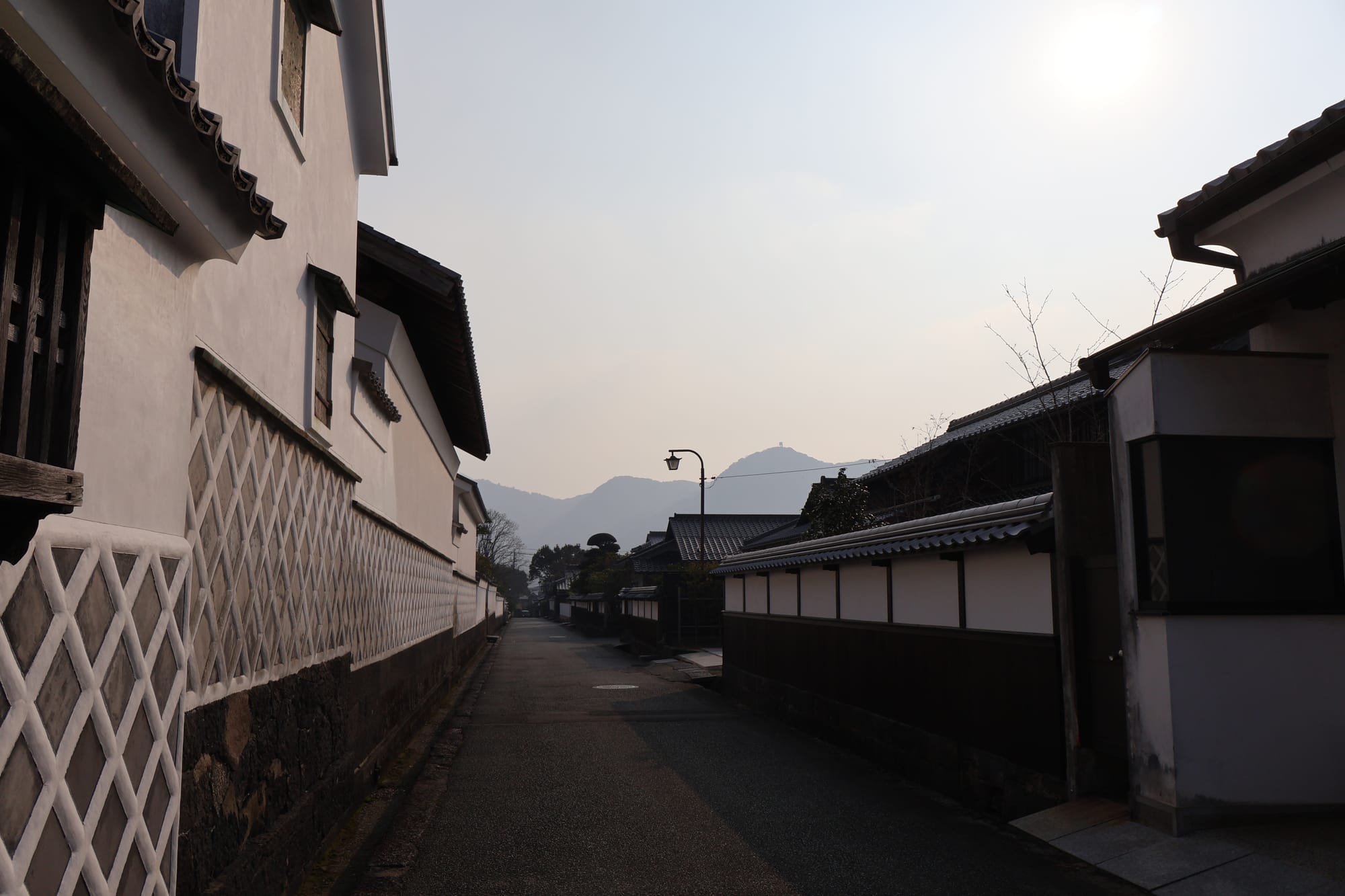
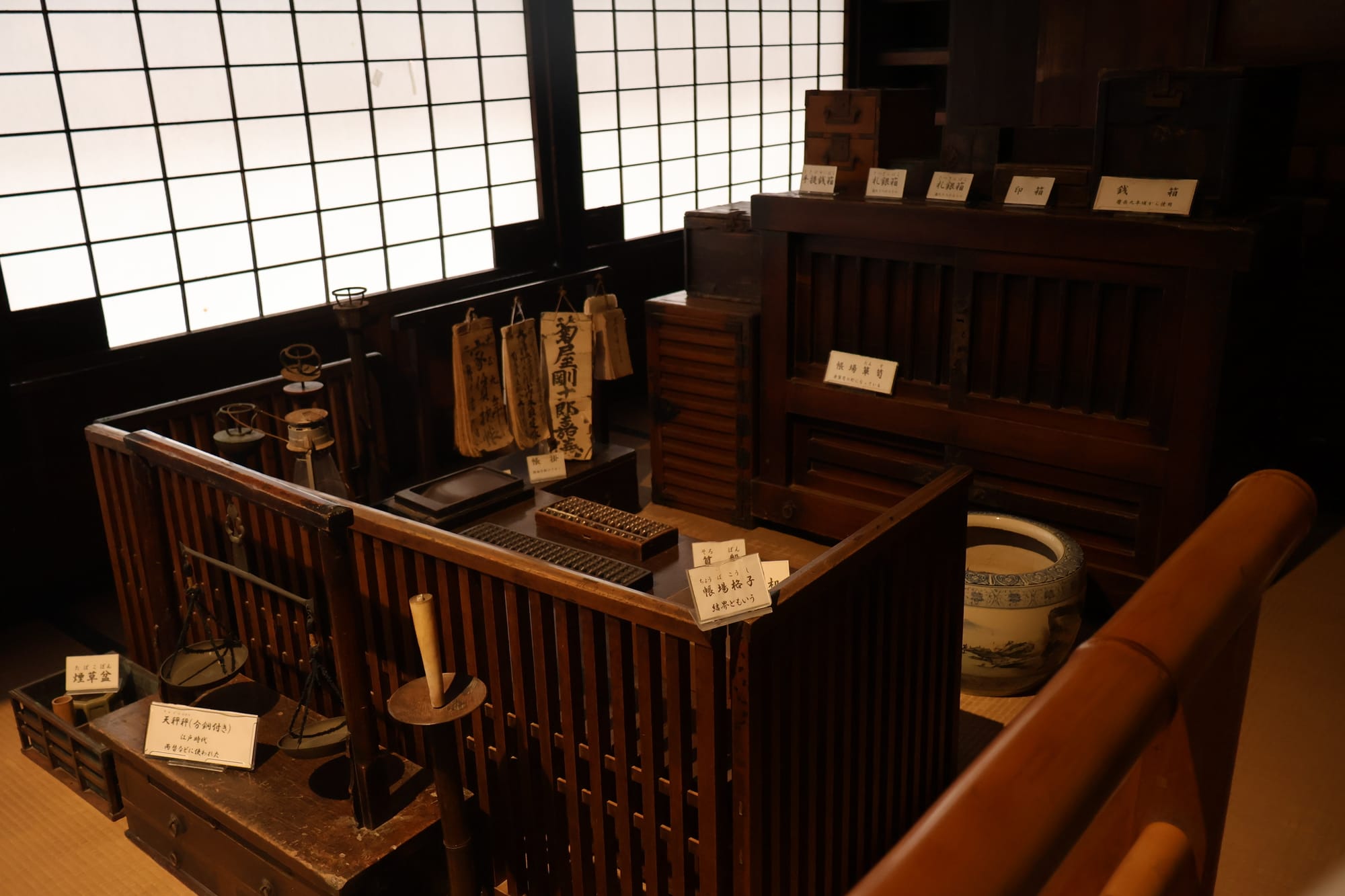
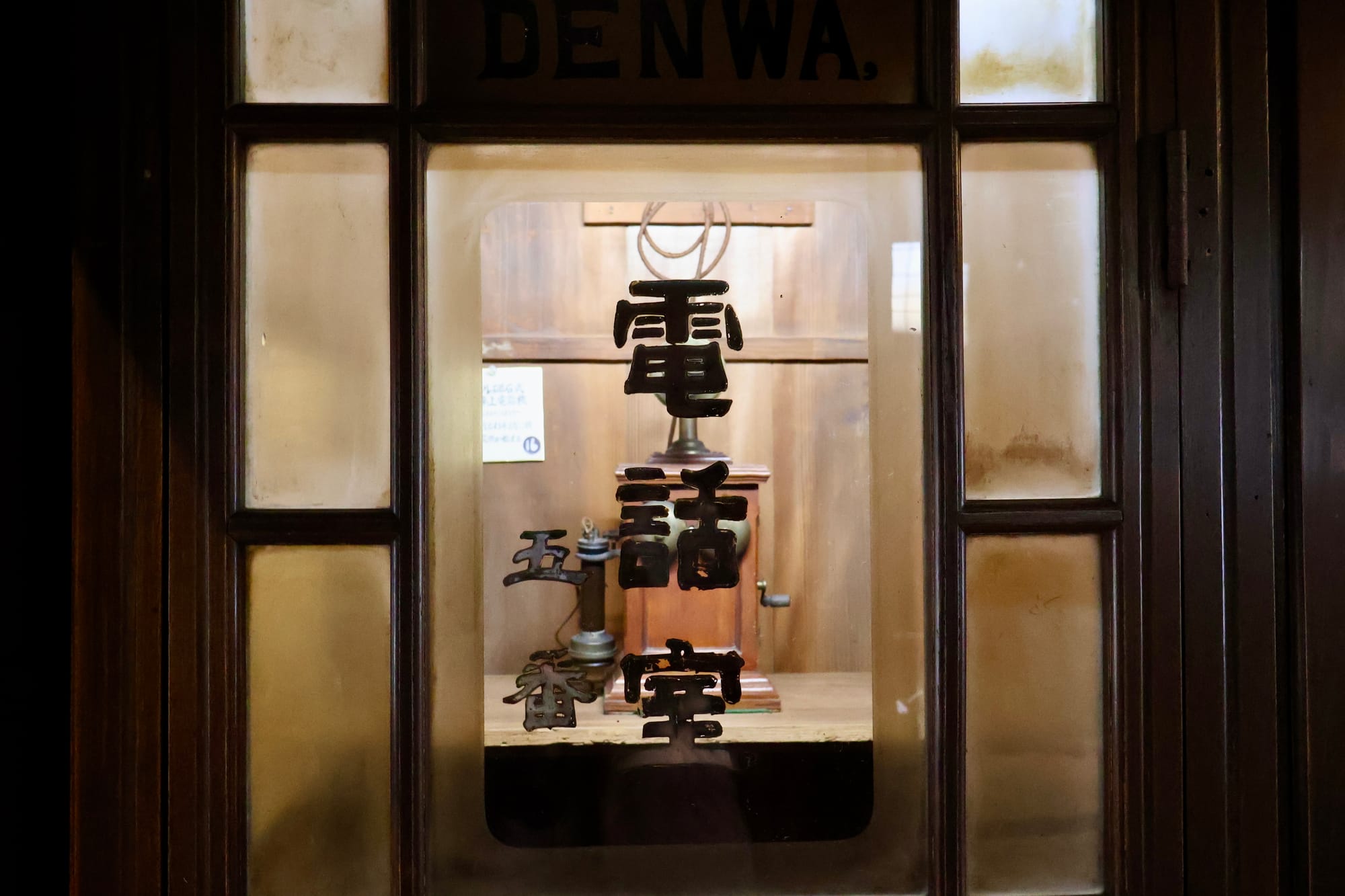
Two houses worth stepping inside: the Kikuya Residence and the Kubota Family Old Residence, both preserved homes of wealthy merchants. Nearby, the Kido Takayoshi Residence and the birthplace of Takasugi Shinsaku mark where two of the era's leading political and military figures grew up.
Shokasonjuku Academy and the Meirinkan
To understand the impact that Hagi had on the course of Japanese history, you must visit the Shokasonjuku Academy — a small private school that taught students from all social classes. Many of them became influential politicians who led the Meiji Restoration and the newly-formed Meiji government.
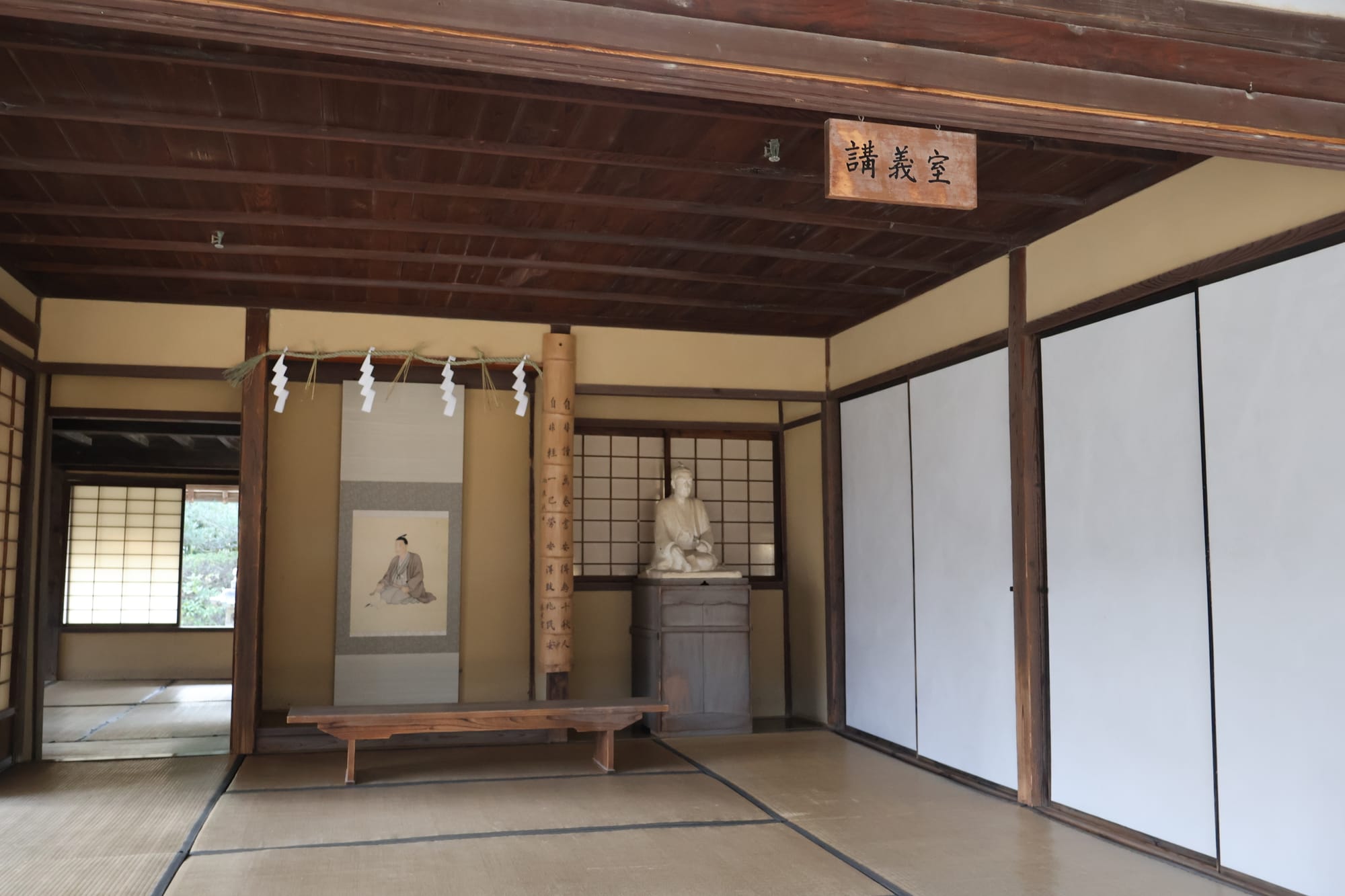
The students were led by Yoshida Shoin, one of the most distinguished intellectuals in Japan during his time, who took over the management of the school from his uncle. It’s fascinating to learn how so many influential figures sat in on Shoin’s lectures inside a tiny tatami mat room. Some of the graduates include:
- Ito Hirobumi, Japan’s first prime minister and principal drafter of the Meiji Constitution
- Takasugi Shinsaku, a revolutionary samurai who formed the Kiheitai volunteer militia to overthrow the shogunate
- Yamagata Aritomo, a military leader and two-time prime minister known as the architect of Japan's modern army
Hagi's other major school, the Meirinkan, was the Choshu domain's official academy for samurai children, teaching Confucian studies, Chinese scholarship, martial arts, and medicine. It ranked among the three most respected domain schools of the late Edo period.
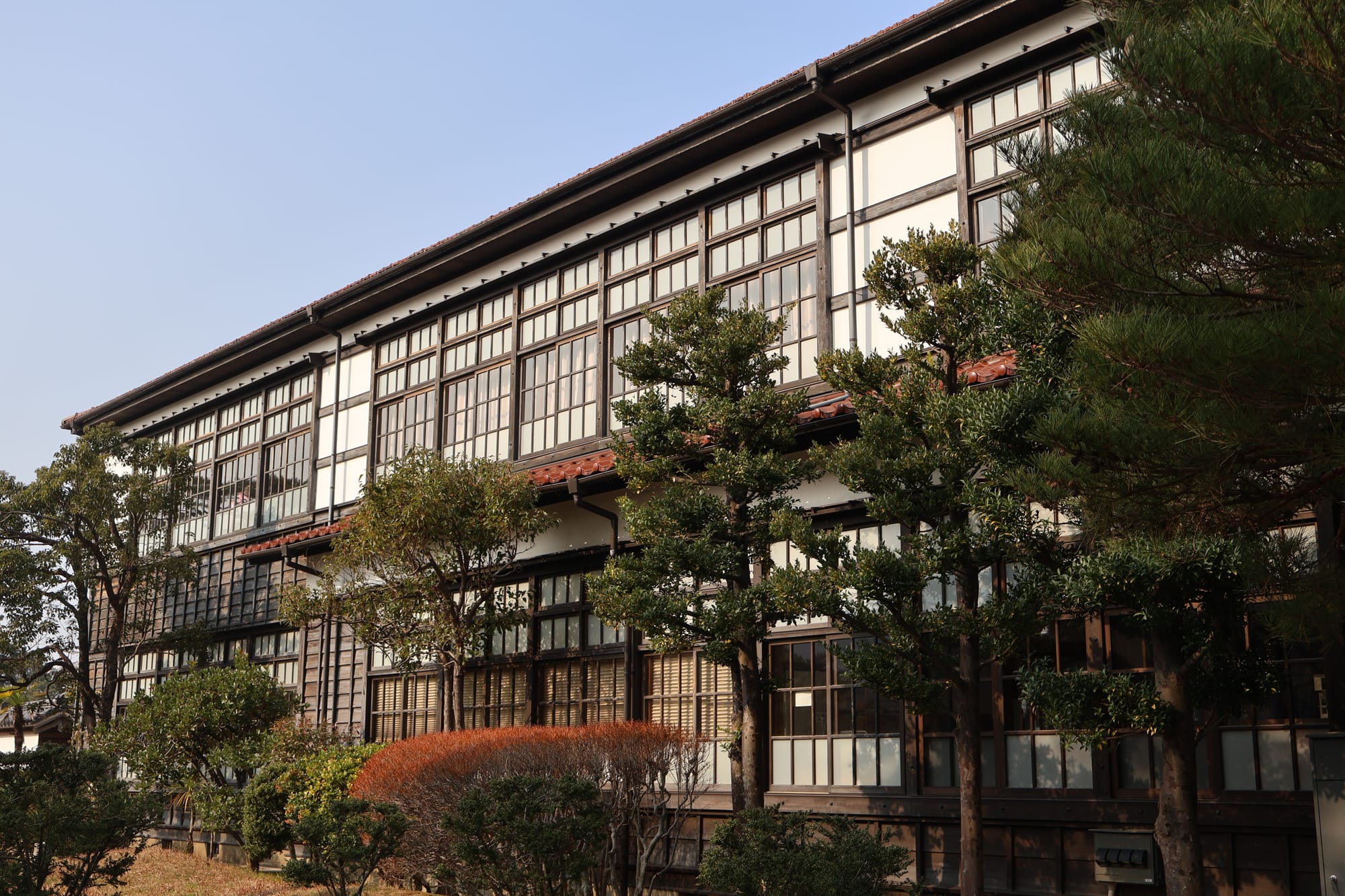
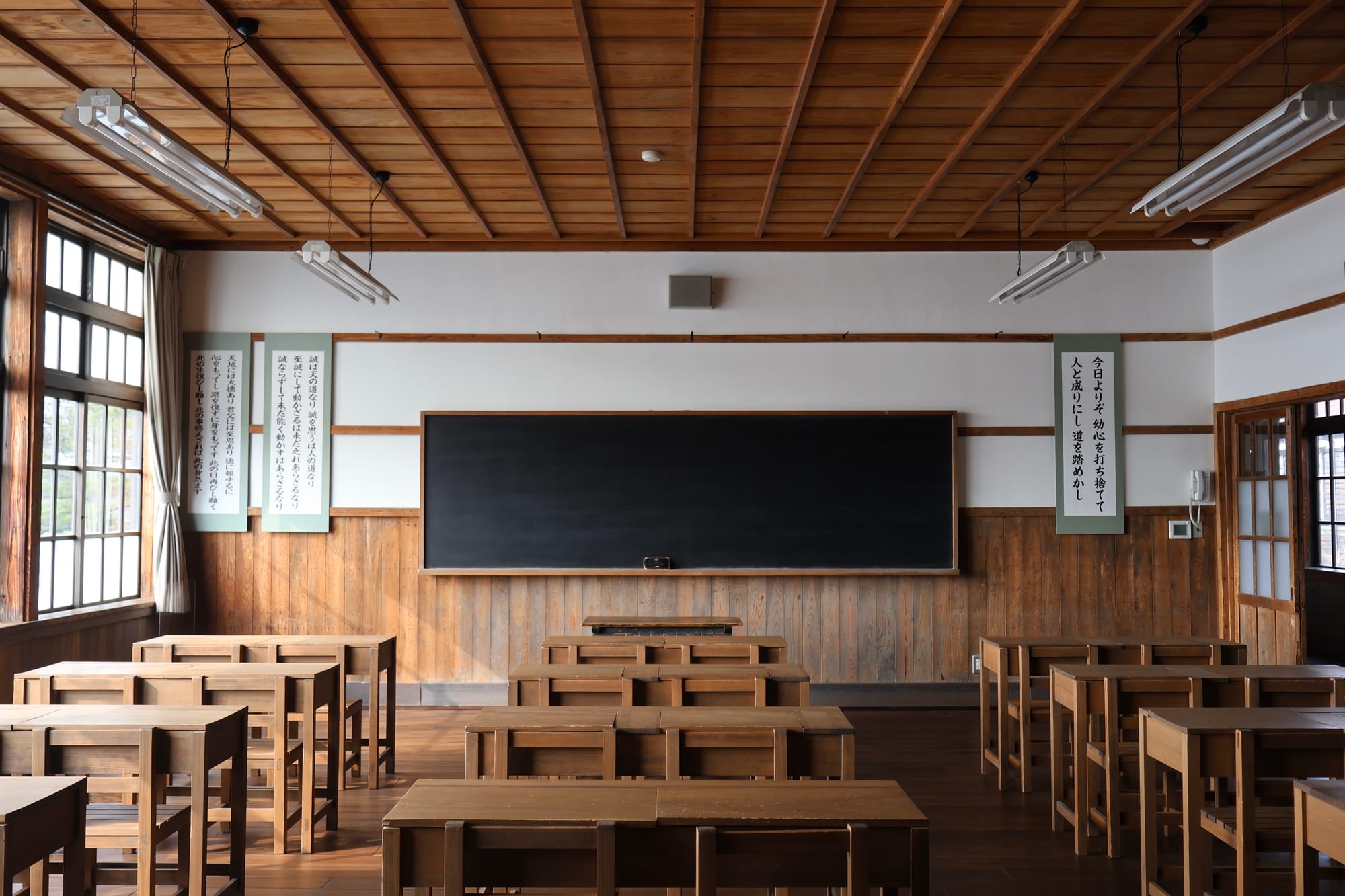
In 2017, the former Meirin Elementary School building that stood on the site of the Meirinkan was renovated and opened as Hagi Meirin Gakusha, a perfect starting point for sightseeing in Hagi. It houses exhibition rooms on the city's history, the World Heritage Sites Visitor Center, and the Bakumatsu Museum, which holds more than 6,000 artifacts from the era, along with an information center and a restaurant. You can also enter and walk through Yubikan, a building that was used for martial arts training and sword and spear matches. It is a great place to stop by when you arrive in the city and ask any questions you may have.
Summer Citrus and Hagi-Yaki Potter
Hagi’s signature local specialty is natsu mikan (summer citrus). Its white flowers fill the town from early to mid-May, and the Hagi Natsumikan Festival is held every May at Kankitsu Park, where locals and visitors can indulge in activities such as natsu mikan harvest, juice tasting, quiz rally, and more.
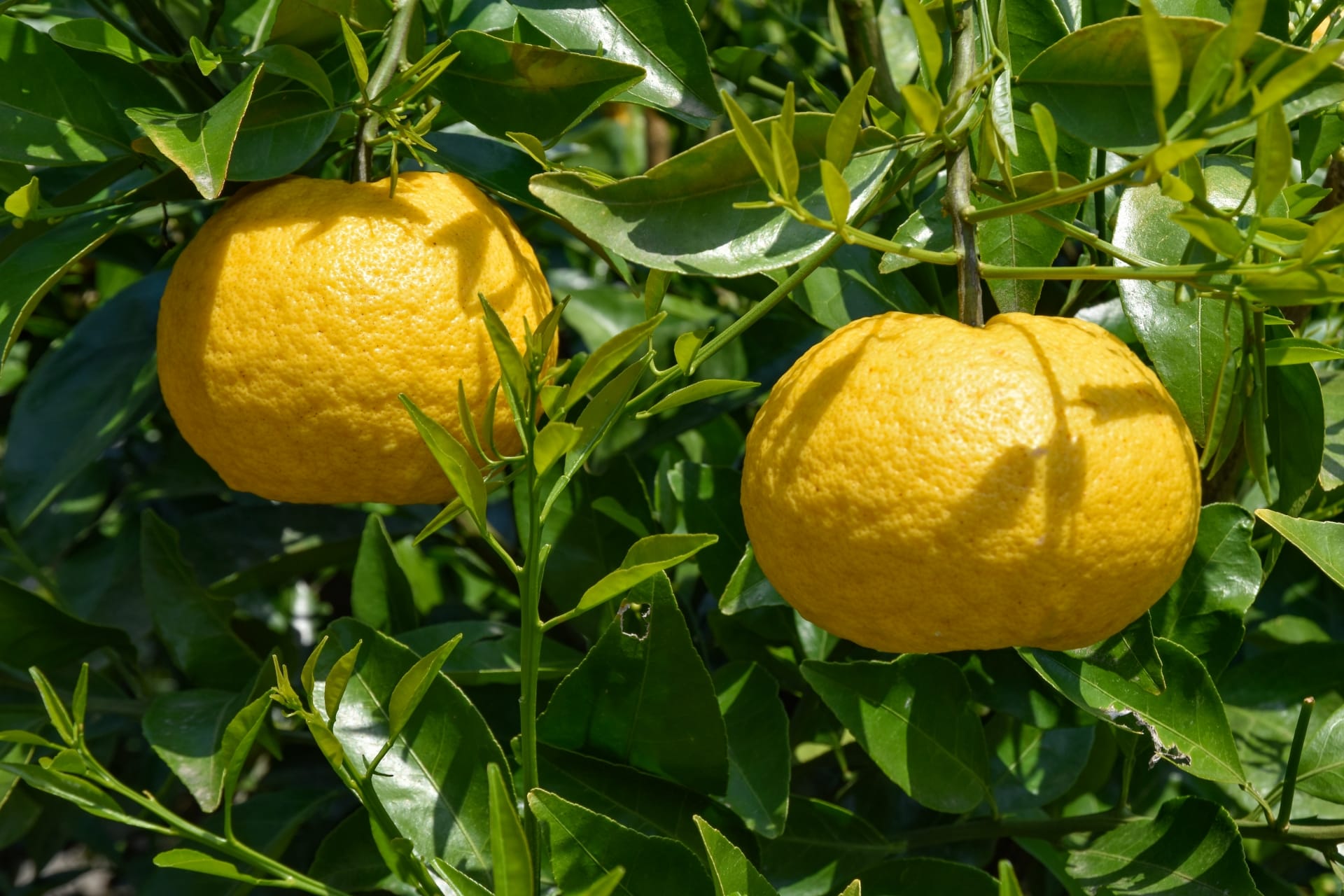
While wandering the town in search of natsu mikan, keep an eye out for kagimagari (鍵曲), the sharp, right-angle bends built into the samurai quarters' narrow streets. Originally a defensive measure, these "key-turn" lanes were designed to block sightlines and create the illusion of a dead end, disorienting any attacker who wandered in. Today, the fruit hangs bright orange over the old walls each summer, making these kagimagari some of the most photographed corners of Hagi.
Don’t forget to check out the natsu mikan drinks and desserts around the city for the full experience! Loads of cafes and restaurants offer natsu mikan soft serve, and many of them have their own special natsu mikan menu during the peak season.
Hagi is also known for Hagi-yaki, a pottery style developed here starting in the early 1600s. More than 100 kilns and studios still operate in the city, and several, including Genshu Pottery and Jozan Pottery, offer hands-on classes where visitors shape and glaze their own piece. The Hagi Tourism Association lists studios and booking details.
Final Thoughts
From a defeated warlord's stronghold to the birthplace of the leaders who shaped modern Japan, Hagi packs an outsized amount of history into its quiet streets — and you can still wander the same castle town lanes. If you're looking for a side of Japan that rewards slowing down, this small castle town on the edge of Honshu is a great place to start.
Frequently Asked Questions
Q: How do you get to Hagi, Japan?
A: Fly into Yamaguchi Ube Airport or Hagi-Iwami Airport, or take the Shinkansen to JR Shin-Yamaguchi Station. From either, continue to central Hagi by taxi, bus, or local JR train.
Q: Why is Hagi important in Japanese history?
A: Hagi was the seat of the Choshu clan for more than 250 years and home to the Shokasonjuku Academy, where several of the students and samurai who ended shogunate rule and built the Meiji government trained, including Japan's first prime minister, Ito Hirobumi.
Q: When is the best time to see Hagi's natsu mikan citrus?
A: The trees flower white from early to mid May, and the fruit hangs on the branches through summer. The Hagi Natsumikan Festival takes place every May at Kankitsu Park.
Q: Can visitors try Hagi-yaki pottery?
A: Yes. Several studios in Hagi, including Genshu Pottery and Jozan Pottery, offer hands-on classes where visitors shape and glaze their own piece.

Visiting Japan? Peatix connects you to English Rakugo, hands-on craft workshops, bilingual comedy nights, and traditional culture experiences that locals attend all over the country.
Follow Peatix on Instagram and TikTok, or visit our website to find Japan events locals go to.