
The Art of the Stay: Finding Your Place in Japan
From capsule hotels to countryside ryokans, Japan offers six distinct ways to spend the night. Here's how each one differs, and how to pick the right fit for your trip.

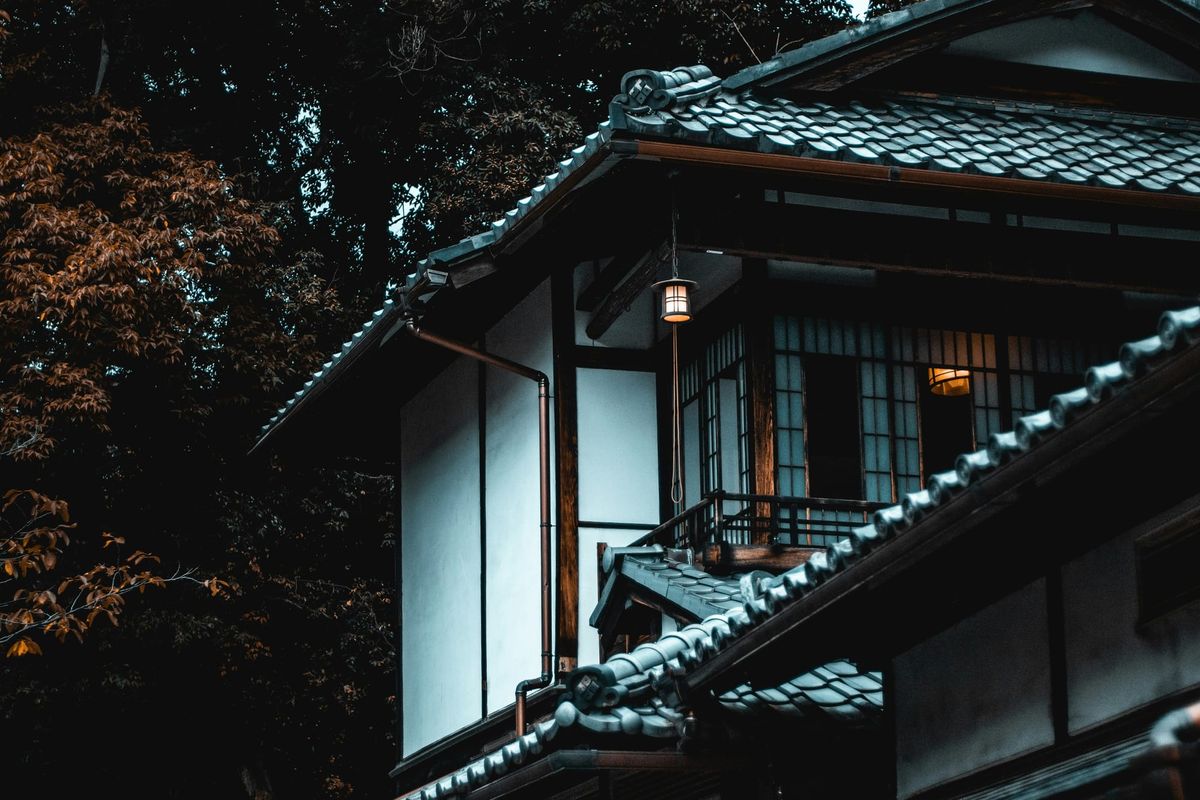
Picking where to rest your head in Japan can feel like a daunting puzzle at first. Given the vast spectrum of choices from high-tech sleeping pods to centuries-old inns and restored merchant homes, you will soon realize that the options span well beyond the standard hotel room.
The good news is that Japan offers something for every budget and traveling style. You need to understand what each option provides and decide on the kind of experience you are seeking. The six main categories are business hotels, capsule hotels, ryokans, machiya townhouses, vacation rentals, as well as guesthouses and hostels.
Six types of accommodation in Japan
1. Business Hotels: The Reliable Default

You will see these nestled conveniently near virtually every major train station. They act as the efficient backbone of Japanese travel, with rooms that are compact, clean, and well-engineered to give you exactly what you need.
- Best for: Solo travelers, couples, and those who prioritize convenience.
- Price range: Budget to mid-range. Rates vary by season, so check current pricing when you book.
- Good to know: While the rooms are small, they are usually spotless and designed with clever functionality.
2. Capsule Hotels: The Urban Curiosity

These sleeping pods are stacked with surgical precision. They offer a quintessentially Japanese experience for the budget-conscious traveler.
- Best for: Solo travelers, quick overnight stays, and late-night arrivals.
- Price range: Budget, among the least expensive overnight options in Japan.
- Good to know: Each capsule sleeps one person, so couples and mixed-gender groups will usually be split across separate floors. Luggage storage is separate, so they are not ideal if you are carrying large or numerous bags.
3. Ryokans: The Cultural Immersion
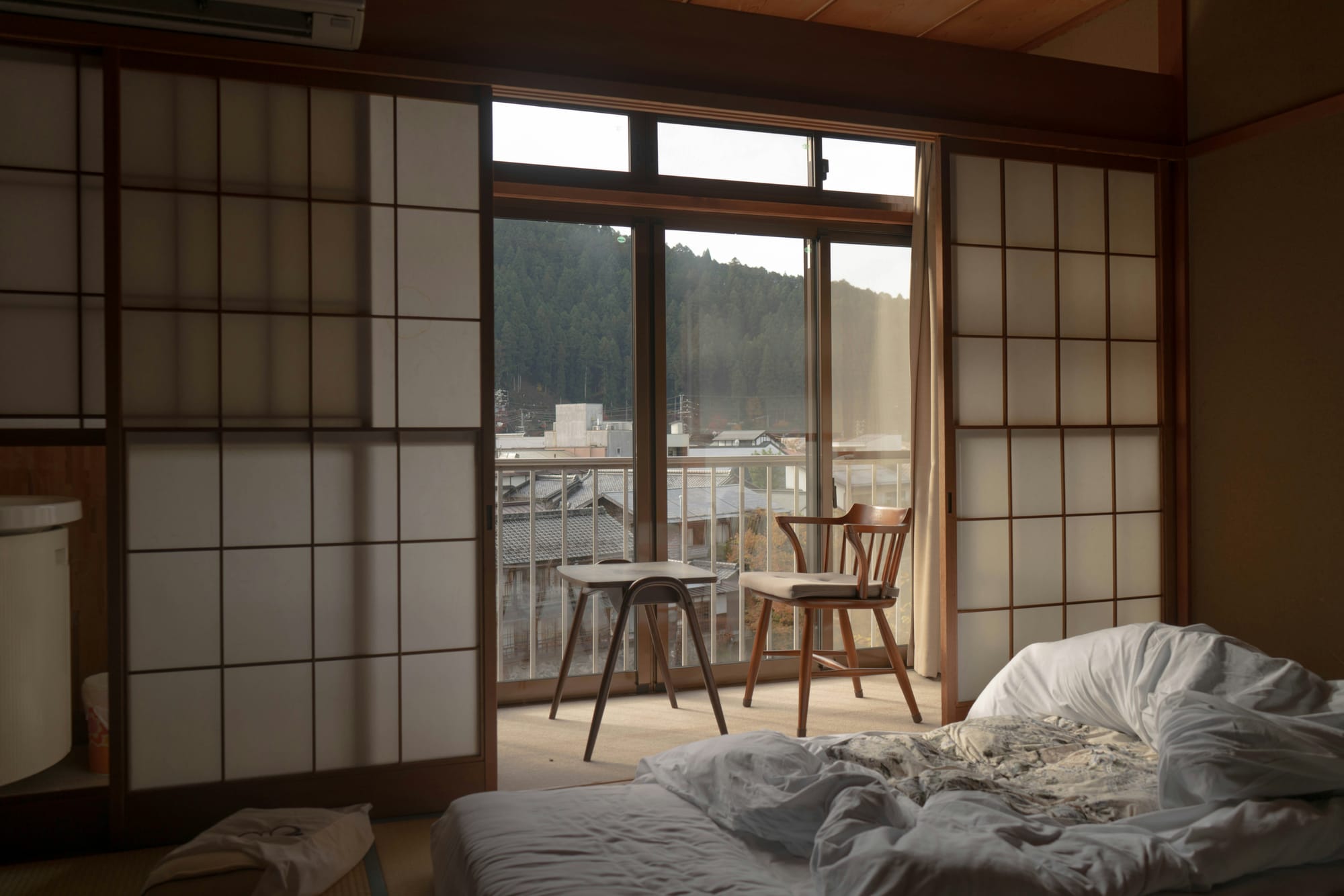
Stepping into a ryokan feels less like checking into a hotel and more like entering a slower, more rhythmic way of life. Expect tatami flooring, futon bedding, and the exquisite theater of a kaiseki meal, a multi-course dinner built around seasonal ingredients.
- Best for: Travelers seeking a deep dive into Japanese culture, couples, and those embracing the art of slow travel.
- Price range: Mid-range to premium, typically priced per person with meals included.
- Good to know: Dinner and breakfast are often included. They are an essential component of the stay and should not be skipped. The Japan Ryokan Association lists registered inns by region if you want to book directly.
4. Machiya Townhouses: The Historic Home

Especially in cities like Kyoto, these restored historic homes allow you to live like a local from a different era. Many keep original architectural details intact, while the kitchen and bathroom are updated for modern stays.
- Best for: Families, small groups, and those looking for a longer stay.
- Price range: Mid-range to premium, typically priced per property rather than per person.
- Good to know: You gain privacy and soul, but be sure to check on seasonal amenities like heating and cooling depending on when you visit.
5. Vacation Rentals: The Flexible Space

These are widely available in cities across the country. Most include a kitchen and laundry, so they work well if you want to settle in, cook a few meals, and slow down for a longer stay.
- Best for: Groups, longer stays, and those who want a bit of extra space.
- Price range: Varies by size and location.
- Good to know: Hosts must be licensed. Check the house rules carefully before booking.
6. Guesthouses and Hostels: The Social Stay

These options provide either dormitory-style bunks or private rooms with shared common spaces. A shared lounge or kitchen makes them one of the easiest ways to meet other travelers, especially if you are exploring solo.
- Best for: Budget travelers, solo explorers, and those seeking a social atmosphere.
- Price range: Budget, generally alongside capsule hotels as the least expensive option.
- Good to know: They are often friendlier and more communal than hostels you might find elsewhere.
Practical Considerations for Your Trip
- Space is a luxury: Rooms in Japan are often smaller than what you may be accustomed to abroad. If your luggage is oversized, confirm the room size before booking.
- The Elevator Question: While most hotels are modern, older, traditional properties often lack elevators. If mobility is a concern, check ahead.
- The "Shoes Off" Rule: Embrace it. You will be expected to remove your shoes in ryokans and traditional homes. This ritual signals the transition from the bustling street to a peaceful domestic space.
- Laundry: Many hotels offer paid washers and dryers. Using them can help you travel light and avoid overpacking.
Whether it is waking up on a crisp futon, soaking in a communal onsen, or stepping out of your hotel door directly into a quiet, lantern-lit alley, your choice of accommodation dictates the rhythm of your trip. If you find it hard to choose between price, practicality, and the desire for a unique experience, there is always the option to mix it up.

Visiting Japan? Peatix connects you to English Rakugo, hands-on craft workshops, bilingual comedy nights, and traditional culture experiences that locals attend all over the country.
Follow Peatix on Instagram and TikTok, or visit our website to discover Japan events locals love.